في شبكات الألياف الضوئية الحديثة، يعد الحفاظ على الاتصال المستمر أمرًا بالغ الأهمية — خاصة عند نشر أجهزة مضمنة مثل جدران الحماية أو أنظمة المراقبة أو وسطاء الحزم.
يلعب مفتاح الحماية البصري دورًا رئيسيًا في ضمان استمرارية الارتباط أثناء انقطاع التيار الكهربائي.
مع إضافة مدخل طاقة مزدوج AC/DC ووظيفة بدء التأخير، يمكن تعزيز موثوقية الشبكة بشكل أكبر في عمليات النشر الواقعية.

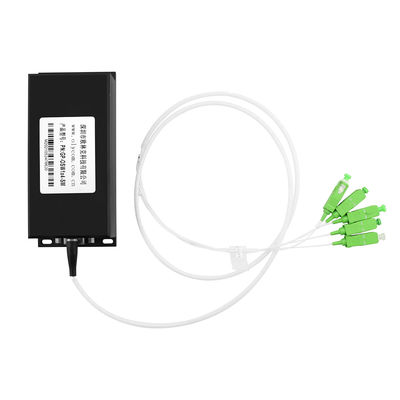
1. ما هو مفتاح تجاوز بصري؟تم تصميم مفتاح التجاوز البصري لحماية روابط الألياف عندما تفقد المعدات المضمنة الطاقة أو تتعطل.الحالة الطبيعية (قيد التشغيل):
تصبح حلاً أكثر قوة وموثوقية للبنى التحتية للشبكات الحديثة.→ أ → الجهاز → بانقطاع التيار الكهربائي:
يقوم مفتاح التجاوز تلقائيًا بإنشاء مسار بصري مباشر
→ أ → ب
تضمن آلية الأمان هذه بقاء الارتباط الليفي نشطًا حتى عندما يكون الجهاز المتصل غير متاح.
2. لماذا يعتبر طاقة AC + DC المزدوجة مهمة؟
في العديد من بيئات الشبكات، تدعم الأجهزة مدخلات طاقة متعددة:
طاقة التيار المتردد (المرافق أو UPS)
طاقة التيار المستمر (إمداد اتصالات -48 فولت أو أنظمة البطاريات)
يوفر مفتاح التجاوز البصري مع مدخل طاقة مزدوج AC + DC العديد من المزاوز:
2.1 تكرار الطاقة
إذا فشل أحد مصادر الطاقة، يستمر الآخر في توفير الطاقة.
يمنع هذا التبديل غير الضروري للتجاوز الناجم عن مشكلات الطاقة المؤقتة.
2.2 التوافق مع البيئات المختلطة
في عمليات النشر الواقعية، غالبًا ما تتضمن الشبكات أجهزة ذات تكوينات طاقة مختلفة:
أجهزة تعمل بالتيار المتردد فقط
معدات اتصالات تعمل بالتيار المستمر
أنظمة الطاقة المزدوجة
يتكامل التجاوز الآمن الذي يدعم كلاً من التيار المتردد والتيار المستمر بسلاسة في هذه البيئات.
2.3 زيادة استقرار النظام
من خلال تجنب فقدان الطاقة المفاجئ، يساعد مدخل الطاقة المزدوج في الحفاظ على التشغيل المستقر لكل من مفتاح التجاوز والأجهزة المضمنة.
3. دور بدء التأخير (التحكم في مفتاح DIP)
بينما تحمي وظيفة التجاوز الارتباط أثناء انقطاع التيار الكهربائي، فإن استعادة الطاقة تقدم تحديًا مختلفًا.
عند استعادة الطاقة، لا تبدأ الأجهزة المتصلة في نفس الوقت:
بعض الأجهزة تبدأ في غضون ثوانٍ
قد يستغرق البعض الآخر (مثل المحولات الأساسية أو أجهزة الأمان) عدة دقائق
إذا عاد مفتاح التجاوز الليفي فورًا إلى الوضع الطبيعي بعد استعادة الطاقة:
قد لا يكون الجهاز المضمن جاهزًا للعمل بالكامل
قد تصبح الروابط البصرية غير مستقرة
قد تحدث خسارة مؤقتة للحزم أو إنذارات
4. كيف يحل بدء التأخير هذه المشكلة؟
- تسمح وظيفة بدء التأخير، التي يتم تكوينها عادةً عبر مفتاح DIP، للمستخدمين بتعيين وقت تأخير (على سبيل المثال، 1-8 دقائق).
- منطق العمل:
- يتم استعادة الطاقة
يبقى مفتاح التجاوز في وضع التجاوز (اتصال مباشر)
يبدأ مؤقت
بعد التأخير المحدد مسبقًا، يعود المفتاح إلى وضع المضمن الطبيعي
5. الفوائد الرئيسية لبدء التأخير
- 5.1 يمنع تقلب الارتباط
- بدون تأخير، يمكن أن يحدث تبديل سريع بين وضع التجاوز والوضع الطبيعي أثناء ظروف الطاقة غير المستقرة.
- يتجنب بدء التأخير انقطاعات الارتباط المتكررة.
5.2 يضمن استعادة الشبكة المستقرة
من خلال السماح للأجهزة بالتهيئة بالكامل، تعود الشبكة إلى التشغيل الطبيعي بسلاسة.
5.3 يقلل الإنذارات الكاذبة
قد تؤدي تهيئة الجهاز غير المكتملة إلى تشغيل تنبيهات المراقبة.
يقلل بدء التأخير الإنذارات غير الضرورية أثناء استعادة الطاقة.
6. سيناريوهات التطبيق النموذجية
يعد الجمع بين طاقة AC/DC المزدوجة وبدء التأخير مفيدًا بشكل خاص في:
مراكز البيانات ذات المحولات عالية الأداء
شبكات الاتصالات التي تستخدم أنظمة DC بقوة -48 فولت
البيئات الصناعية ذات إمدادات الطاقة غير المستقرة
مواقع الشبكات البعيدة أو غير المراقبة
-
عمليات النشر الأمنية مع أجهزة الفحص المضمنة
-
7. الخلاصة
-
وحدة التجاوز البصري ضرورية للحفاظ على استمرارية الارتباط الليفي أثناء الأعطال.
-
من خلال دمج:
-
مدخل طاقة مزدوج AC/DC للتكرار
وظيفة بدء التأخير للاستعادة المتحكم فيها
تصبح حلاً أكثر قوة وموثوقية للبنى التحتية للشبكات الحديثة.تضمن هذه الميزات ليس فقط الاتصال دون انقطاع أثناء انقطاع التيار الكهربائي، ولكن أيضًا انتقالًا سلسًا ومستقرًا عند استعادة الطاقة — مما يجعلها حاسمة لتصميم الشبكات عالية التوفر.


 يجب أن تكون رسالتك بين 20-3000 حرف!